Tea Eggs at Mile 30: What Happened When I Fueled an Entire 50K Block From 7-Eleven Taiwan
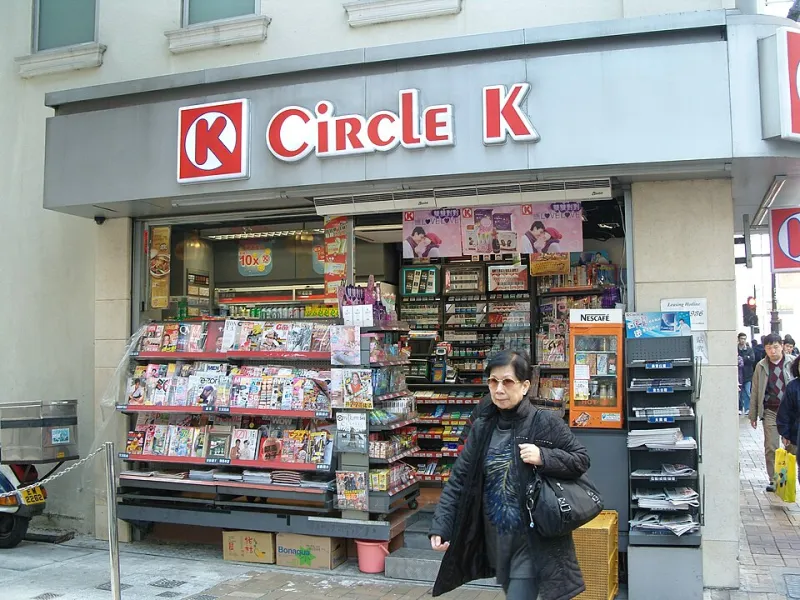
Photo: shankar s. from Poona (pune), India, India, CC BY 2.0, via Wikimedia Commons
Somewhere around mile 26 of my last long run — a sweaty, humid slog along the Keelung River with my HOKA Mach X2s doing their best impression of sponges — I unwrapped an onigiri from a 7-Eleven bag and had a thought that would've sounded insane back home in Colorado: why am I paying $3.50 for a packet of glucose syrup?
That thought turned into a full experiment. For my entire 12-week 50K training cycle in Taipei, I would fuel every workout and every recovery window exclusively from Taiwan's convenience stores and night market stalls. No gels. No chews. No tubs of whey. Just rice balls, tea eggs, bao, banana milk, and whatever the electrolyte tea shelf had to offer.
Here's how it went, and what US ultra runners can actually steal from it.
The Rules of the Experiment
Simple ones. All training calories — pre-run, mid-run, post-run — had to come from convenience stores (7-Eleven, FamilyMart, Hi-Life, OK Mart) or night market vendors. I tracked cost and macros for everything. I logged gut tolerance honestly, because if there's one thing a 50K punishes, it's a nutrition plan your stomach hasn't rehearsed.
For reference, my usual stateside setup was roughly $45–60 per week in sports nutrition during peak training. That number haunted me the whole cycle.
The Core Fueling Kit (and What It Cost)
Rice balls (onigiri/饭团), NT$25–40 (~$0.80–1.25). Around 200–250 calories, mostly carbs with a little protein. These became my pre-long-run staple and my mid-run solid food. The rice goes down easier than a granola bar when your gut is already rattled from hours of pounding.
Tea eggs, NT$13–15 (~$0.45). Six grams of protein, 70-ish calories, and they're warm. Warm food on a long run does something psychologically that no cold gel ever has. I'd eat two at mile 18 and feel like a new man.
Steamed bao (包), NT$20–35 (~$0.65–1.10). Red bean bao for pure carb hits, pork bao for a bit of staying power. Soft, easy to chew, no wrapper crumble. Genuinely better race-fuel texture than anything in a foil packet.
Electrolyte teas and salted drinks, NT$25–50 (~$0.80–1.60). Taiwan's shelves are loaded with salted plum drinks, electrolyte waters like Pocari Sweat, and barley teas. The salted plum stuff in particular is a legit sodium bomb — closer to what your body actually craves at mile 30 than another hit of artificial citrus.
Banana milk and soy milk, NT$25–35 (~$0.80–1.10). My recovery window workhorses. A small carton plus a tea egg gives you roughly a 3:1 carb-to-protein ratio, which is the same math your $60 tub of recovery powder is built on.
Weekly fueling cost during peak weeks: $18–25. Compare that to the $45–60 I was spending in the US and the math stops being cute and starts being embarrassing.
How the Gut Handled It
Better than I expected, with one caveat. The solid stuff — rice balls, bao — needed practice. My first two long runs I ate too much too fast and paid for it at a riverside trash can. By week four I'd settled into a rhythm: half a rice ball every 45 minutes, sips of salted plum drink between, tea egg only after the halfway mark.
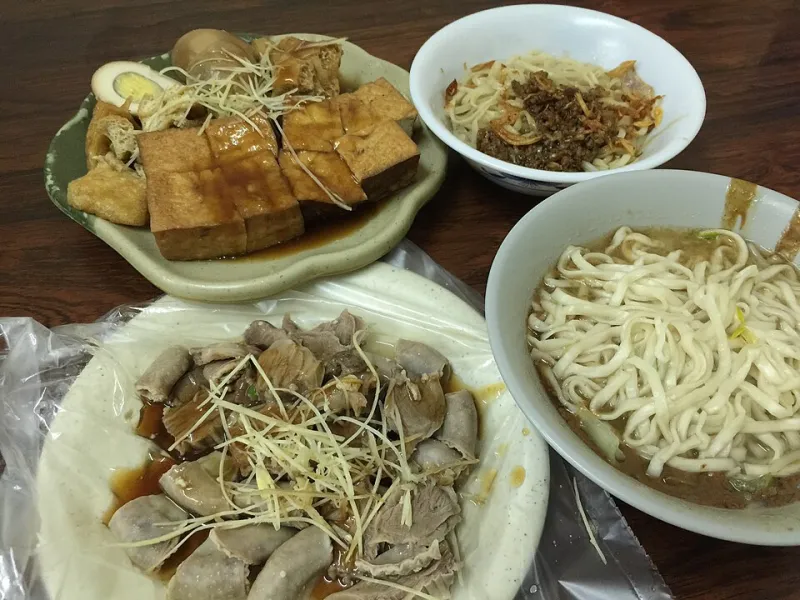
The real surprise was fiber. Convenience store food in Taiwan is heavily processed white rice and refined flour, which is actually ideal for running. Low residue, fast digestion. The night market stinky tofu I celebrated with after long runs? That's a rest-day food, and I recommend keeping it that way unless you enjoy suffering twice.
What US Runners Can Actually Use
You can't get fresh tea eggs at a gas station in Kansas. But the principles travel:
- Real food beats engineered food for long efforts, if you train it. Rice, steamed buns, boiled potatoes — cheap, gut-friendly carbs.
- Warm, soft food is easier at mile 25 than anything chewy or dense.
- Salted plum flavoring is criminally underused in US sports drinks. Look for umeboshi-style options or just add extra sodium.
- A convenience store recovery combo (carb drink + cheap protein) works as well as a $5 recovery shake. Chocolate milk has been saying this for years. Taiwan just does it with better packaging.
The Verdict
Twelve weeks, one 50K, zero gels. I finished the block feeling strong, my gut was bulletproof on race day, and I spent less on nutrition in three months than I used to spend in five weeks. My Mach X2s logged every mile of it, humidity-soaked uppers and all.
If you ever find yourself training in Taiwan — or even visiting for a race — skip the import box of gels in your luggage. The convenience store has everything you need, and it'll cost you pocket change.
And if you're back home in the States? At minimum, stop paying $3.50 for what is, chemically, rice.