Congee, Soy Milk, and 20-Cent Salt: The Taipei Recovery Meals That Replaced My $6 Protein Shakes
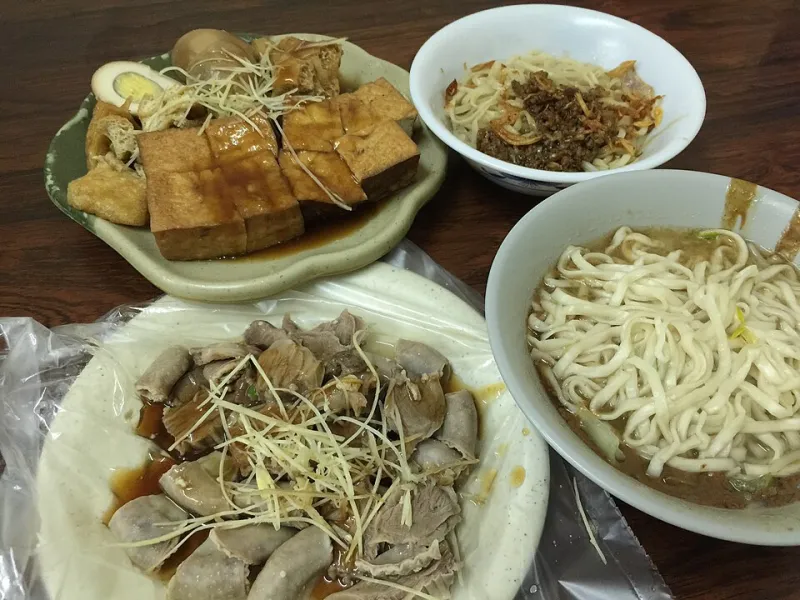
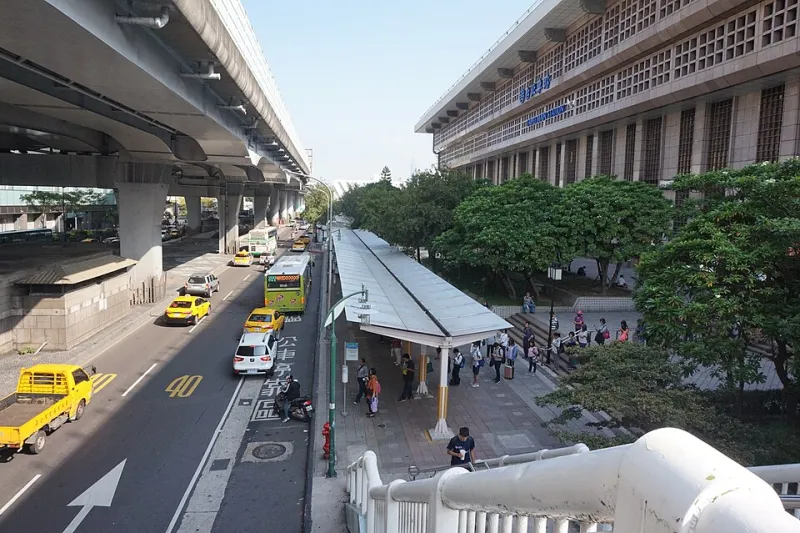
Photo: bryan... from Taipei, Taiwan, CC BY-SA 2.0, via Wikimedia Commons
After a 20-miler through Taipei — Bondi 8s soaked through from humidity, quads cooked from the climb up Xiangshan — I watched local runners do something that completely broke my brain. They walked into a congee stall at 6:30 a.m. and ate a bowl of rice porridge with century egg and pork. No protein powder. No $6 bottled shake. No branded recovery drink. And they've been doing it every Sunday for years.
Meanwhile, back in the US, I'd been spending roughly $40 a month on post-run recovery shakes like they were mandatory equipment. Turns out the joke was on me.
Why the 24-Hour Food Ecosystem Changes Everything
Taipei doesn't really close. Night markets wind down around 1 a.m., breakfast stalls fire up by 4, and convenience stores — the legendary 7-Elevens on every corner — never shut at all. For runners, this means recovery nutrition is available at any hour, for pocket change, within a five-minute walk of any trailhead or riverside path.
Compare that to the American system: you finish your long run, you're ravenous, and your options are a drive-thru, a $6 bottled protein shake, or whatever sad granola bar is in your gym bag. Taiwan's version is a hot, fresh, protein-adequate meal that costs about a dollar.
The more I ran there, the more I realized the local recovery culture isn't a hack — it's just what happens when cheap, fast, real food is everywhere. The bottled shake is the hack. A bad one.
The Science Bit (Don't Worry, It's Short)
Post-run recovery comes down to two things: carbs to restock glycogen and protein to repair muscle, ideally within an hour or so of finishing. The classic research target is roughly a 3:1 or 4:1 carb-to-protein ratio. Guess what a bowl of congee with lean pork and an egg is? Carbs from rice, protein from the egg and meat, easy to digest when your stomach is trashed from two hours of effort.
It's not exotic. It's just a recovery meal that didn't come out of a factory.
Five Post-Run Meals I Stole From Taipei
1. Sweet Potato Congee with Shredded Pork — ~$1.50 USD The breakfast stall classic. Gentle on a wrecked stomach, loaded with carbs, and the pork shreds add a modest protein hit. Add a soft-boiled egg for another 50 cents and you're legitimately covered.
2. Fresh Hot Soy Milk (Dou Jiang) with a Sesame Flatbread — ~$2.00 USD Taiwanese soy milk shops are basically protein stations in disguise. A large unsweetened soy milk delivers 15–20 grams of plant protein; the sesame bread (shaobing) handles the carbs. Total cost of the equivalent macros at a US juice bar: probably $11.
3. Braised Pork Rice (Lu Rou Fan) with a Tea Egg — ~$2.50 USD This is the real-deal recovery plate. Rice for glycogen, fatty-savvy braised pork for protein, a marinated tea egg for good measure. It's the meal I saw ultrarunners eating at noon after dawn runs on Yangmingshan.
4. 7-Eleven Chicken Breast + Sweet Potato + Cold Soy Milk — ~$3.00 USD Yes, the convenience store. Taiwan's 7-Elevens sell vacuum-sealed chicken breast, steamed sweet potatoes, and soy milk 24/7. This is the closest thing to a grab-and-go recovery kit, and it costs less than one-third of a bottled US protein shake.
5. Scallion Pancake with Egg and a Cup of Warm Soy Milk — ~$2.25 USD Not the leanest option on the list, but after a 30K, the carb-and-fat combo hits like nothing else. The egg folds in enough protein to keep it honest.
Rebuilding This in America
You don't need a Taipei night market. You need a rice cooker and a grocery store. Batch-cook congee on Saturday, top it with rotisserie chicken or a jammy egg, and keep unsweetened soy milk stocked — a half-gallon runs about $3 and covers a week of post-run protein. Sweet potatoes cost pennies and microwave in eight minutes.
My monthly recovery spend dropped from around $40 in bottled shakes to under $15 in real food. And honestly? The congee sits better in my stomach after hard efforts than any chalky shake ever did.
The Takeaway
Taiwanese runners aren't doing anything exotic. They're just skipping the middleman — the bottle, the brand, the markup — and eating actual food within the recovery window. Your HOKAs cost enough. Your recovery meal doesn't have to.