Sweat Equity: The 8-Week Humidity Half Marathon Plan Every First-Timer in Texas or Florida Needs
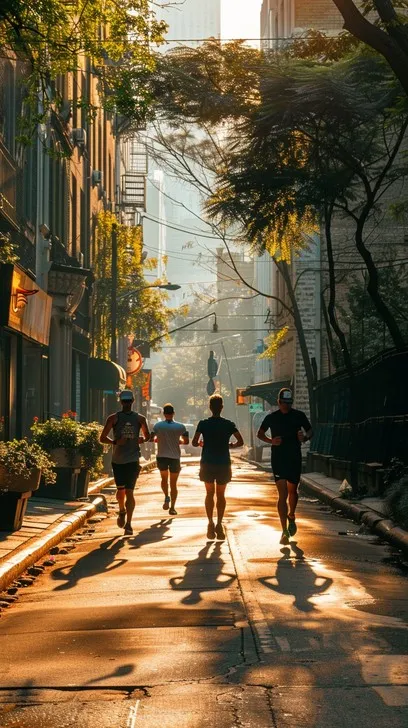
Photo: runner training humid summer morning sweat city street, via images.stockcake.com
Why Your Training Plan Is Lying to You
If you picked a half marathon in Houston, Austin, Orlando, or anywhere along the Gulf Coast between June and September, congratulations — you've signed up to race in conditions that would make a Taipei summer feel mild. And here's the problem: the free training plan you downloaded was almost certainly written by someone in Colorado or Oregon, where 'warm' means 75 degrees and dry.
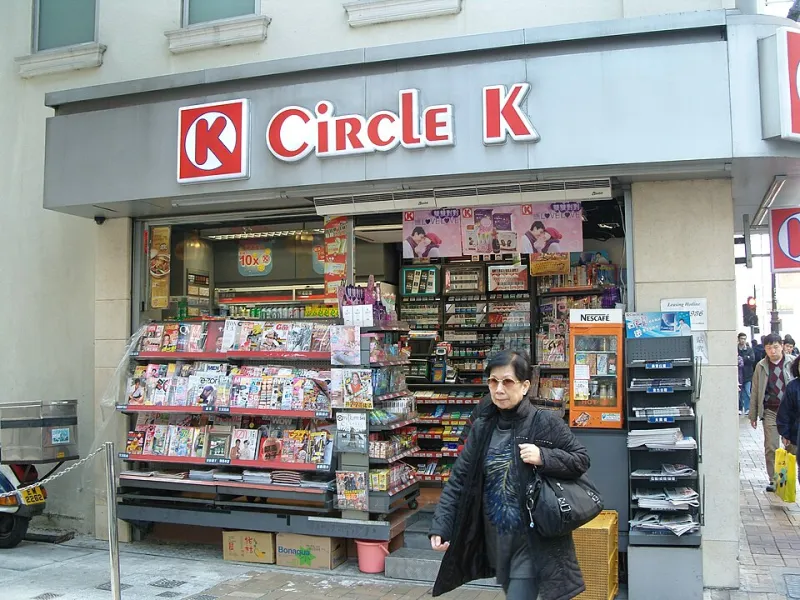
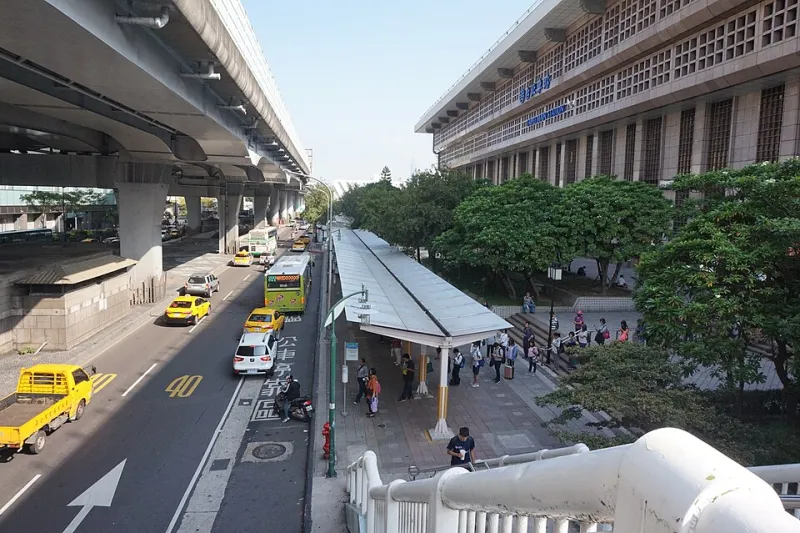
I spent two years running through Taiwan's summers, where the dew point regularly sits above 75°F and your shoes squish for the entire run. What I learned there changed how I train back in the States, and it's the foundation of the plan below.
The Core Idea: Train the Sweat, Not Just the Legs
Humidity doesn't make you weaker in the traditional sense — it makes you worse at cooling. Your sweat can't evaporate, so your heart rate climbs even at easy paces, and your perceived effort quietly doubles. A beginner who trains only in air conditioning and then races in soupy air is in for a brutal surprise.
The plan below builds in deliberate heat exposure, because heat adaptation is a trainable skill. Research shows meaningful plasma volume expansion happens in 10–14 days of consistent hot-weather running. You can't cram it in the week before race day.
The 8-Week Humidity Half Plan (Downloadable)
Weeks 1–2: Base + Sweat Exposure
- 3 easy runs (25–35 min), 1 long run (4–5 miles)
- Do at least one run outdoors at the hottest realistic time you can safely manage
- Milestone: You finish a 30-minute run without stopping for walk breaks
Weeks 3–4: Rhythm Building
- Add one 20-minute tempo segment at 'humid effort' — roughly 30–45 seconds per mile slower than your cool-weather pace
- Long run builds to 6–7 miles
- Milestone: Your heart rate at easy pace drops 5–10 bpm from Week 1 in similar conditions. That's adaptation, not fitness. Both matter.
Weeks 5–6: The Soak Test
- Long runs hit 8–9 miles, done with zero shade-seeking
- Practice your race fueling: gels, electrolyte tabs, whatever you'll actually use
- Gear check (more below)
- Milestone: You can name exactly where chafing happens and have fixed it
Weeks 7–8: Sharpen and Taper
- Cut volume 30% in Week 8
- One final dress rehearsal: full race outfit, race-morning breakfast, a 4-mile effort at goal race effort
- Milestone: You have a pace plan based on dew point, not hope
Gear Check: What Survives a Soaked Race
Running in Taiwan taught me that humidity is a gear audit you didn't ask for. A few non-negotiables:
- Shoes that drain. A mesh-upper trainer like the HOKA Clifton or Mach line handles being drenched far better than dense knit uppers. Soaked shoes add real weight — I've felt the difference between models at mile 10.
- Anti-chafe everything. Thighs, nipples, wherever your singlet seams hit. Humidity removes the friction buffer dry air gives you.
- A cap, not a visor debate. Sweat pours; a cap with a sweatband keeps it out of your eyes for the last hour.
- Socks worth trusting. Thin synthetic socks, never cotton. Wet cotton is how beginners lose toenails they didn't know they could lose.
Adjusting Your Pace Expectations (The Honest Math)
Here's the part nobody tells first-timers: in dew points above 70°F, expect to run 1.5–3 minutes per mile slower than your cool-weather equivalent at the same effort. That's not weakness; it's physiology.
My rule from Taipei: set two goals. Your 'A' goal assumes a freak dry morning. Your 'B' goal assumes reality — a pace you could hold while conversational in soup conditions. Race by heart rate and effort for the first half, then race by feel for the last 5K when your body has told you what it actually has.
Race Morning, Taiwan-Style
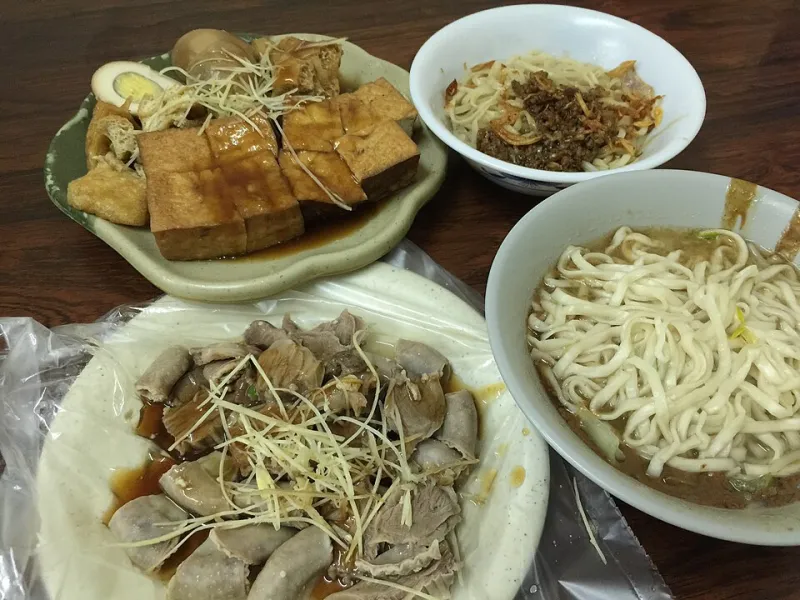
The night market recovery culture in Taipei taught me one more thing: the run isn't the whole event. Hydrate the day before, not just the morning of. Eat something bland and familiar. And plan your post-race meal with the same enthusiasm the locals bring to a midnight bowl of beef noodle soup — you'll have earned it, salt crust and all.
Download the plan, respect the dew point, and your first humid half becomes a badge of honor instead of a death march. See you out there — I'll be the one wringing out my socks.