Twenty-Five Dollar Footbeds vs. Four-Millimeter Foam: Retuning Three HOKAs at a Taipei Repair Stall
The Pitch That Sounded Like a Scam
A runner in Daan told me he had his HOKAs 'retuned' for eight hundred NT. That is about twenty-five bucks. In the States, a molded orthotic runs $150 to $400 before the podiatrist visit, and the appointment usually comes with a six-week wait and a lecture about your hips.
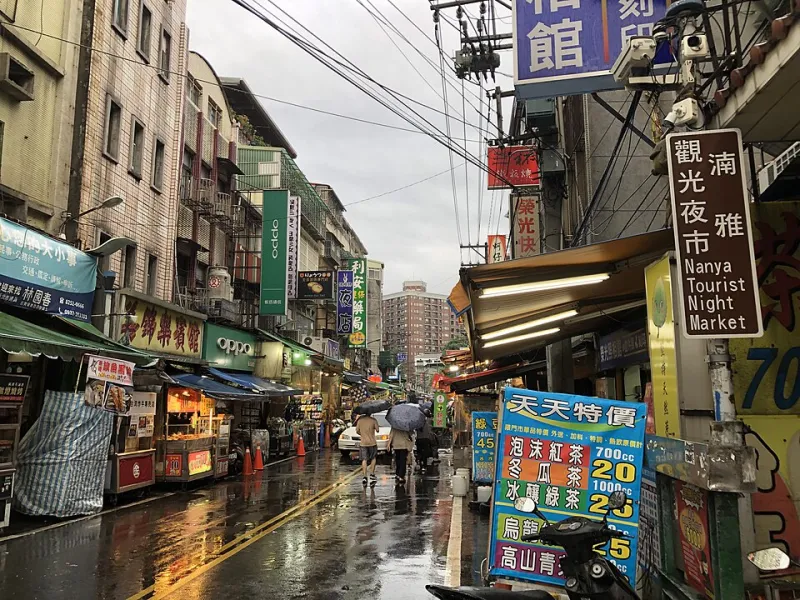
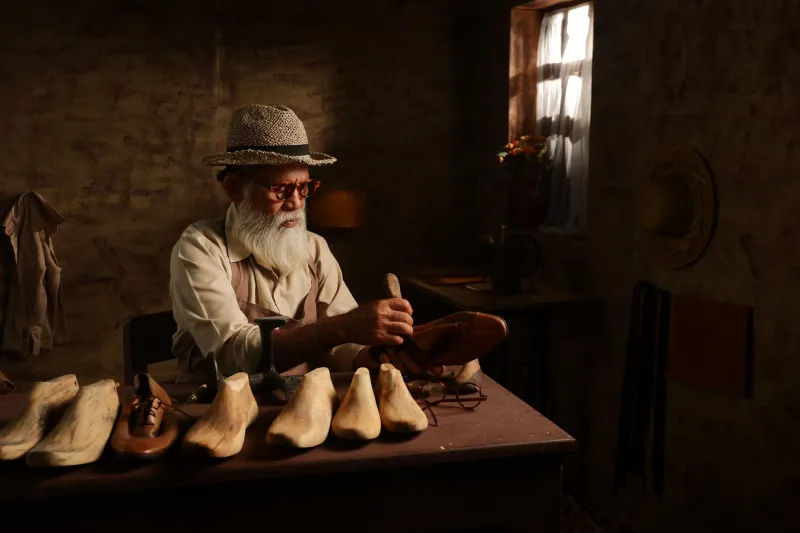
So I went looking. What I found was not a clinic. It was a fifteen-square-foot stall wedged between a key-cutter and a shop that re-soles dress shoes, four blocks from a night market, with a vacuum press that looked older than I am.
What the Stall Actually Does
The process is boring, which is the point. You stand on a foam impression box. The fitter watches your ankles, not your arches, and marks where your heel sits. Then comes a heat-softened EVA sheet, a vacuum bag, ninety seconds of pressure, and a belt sander.
Most customers walk out with three millimeters of EVA under the heel and a cork-and-EVA hybrid up front. Runners often get a slightly deeper heel cup — a 'post' in name only, since nobody there is diagnosing anything. The fitter's entire vocabulary is about volume and slip, not pathology.
That framing matters. In the US, insoles are sold as medical devices. In Taipei, they are sold as fit correction, the same way a tailor takes in a waistband.
The Three-Shoe Test
I bought three molded pairs — one per shoe — plus five off-the-shelf insoles from a drugstore for comparison. Total outlay for the molded set: about NT$2,400, call it seventy-five dollars.
- Bondi 9. The one everybody buys for maximum stack. Stock insole is thin and flat, and the shoe has a roomy, almost boxy interior.
- Clifton 10. Snugger midfoot, more ground feel than its reputation suggests.
- Mach X 2. Pebax plate, rocker-forward, the least tolerant of anything stuffed under the foot.
Two weeks each, rotating on riverside asphalt, wet granite stairs, and a rubberized track.
Arch Volume Is the Spec Nobody Prints
Here is the thing HOKA's size chart will never tell you: two shoes with identical length and width can hold completely different amounts of foot.
The Bondi has generous vertical space over the instep. Drop in a molded EVA footbed and your foot rides higher, which sounds like a disaster in a max-cushion shoe — except the deeper heel cup pulls the rearfoot down. Net effect: less lateral slop when you are tired, and a shoe that finally stops feeling like a slipper with a rocker.
On the Clifton, the same footbed ate too much volume. My instep pressed against the tongue and I had to swap to a thinner 2mm sheet. That is not a knock on the insole; it is a lesson about buying the fitter's time, not just the product. Good stalls will re-sand a footbed for free within a month.
On the Mach X 2, I gave up. A plated shoe wants a flat, minimal interface. Anything with a contoured arch and a heel cup changes the angle the plate loads at, and I felt it in my calves by mile six.
Heel Slip and the Ride Change
Heel slip is usually a lacing problem, and I will die on that hill. But in the Bondi specifically, the stock footbed is so thin that a lot of runners size up to buy width and then live with a loose heel forever.
A molded footbed with a 4mm deeper cup solved roughly eighty percent of my heel movement before I touched the laces. The remaining twenty percent was a runner's loop and a heel-lock tie. Ride-wise, the Bondi got slightly firmer in the forefoot — the molded EVA is denser than HOKA's stock foam insert — and, honestly, better. The marshmallow feel stayed; the vagueness left.
The Line-Item Reality
- Molded footbed, single pair: NT$700–900 (about $22–28)
- Off-the-shelf drugstore insole: NT$150–300 (about $5–9)
- Re-sanding and adjustment: usually free
- Total for three pairs: roughly $75
No appointment. No X-ray. Ten minutes per shoe. The trade-off is that nobody there is screening for stress fractures or leg-length discrepancy, and nobody speaks the word 'orthotic.' If you have a diagnosed issue, see an actual clinician.
Replicating It at Home
You can get most of this without a flight to Taoyuan. Here is the checklist I would hand a friend:
- Measure volume, not just length. Pull the stock insole out of your HOKA and stand on it. If your toes spill over by more than a thumbnail, the shoe's too short, not too tight.
- Buy the 2mm and 4mm versions. Thin sheets are the cheap insurance against over-stuffing a snug shoe like the Clifton.
- Check heel cup depth against the shoe's collar. A cup taller than the collar will chew your Achilles.
- Two-week trial, one variable at a time. One shoe, one insole, same routes.
- Re-lace before you re-buy. Half the 'insole fixed it' stories are lacing stories.
What I Kept
The Bondi wears the molded pair permanently. The Clifton is back on a 2mm flat sheet. The Mach X 2 is stock and staying that way.
Twenty-five dollars did not buy me a medical device. It bought me fit correction from someone who has looked at ten thousand pairs of feet in a country where walking and stairs are the default. That knowledge is worth the price of admission — even if it comes with a belt sander and no receipt.