Six Models, One Soggy Season: My Taipei Winter Torture Test of the 2025 HOKA Line

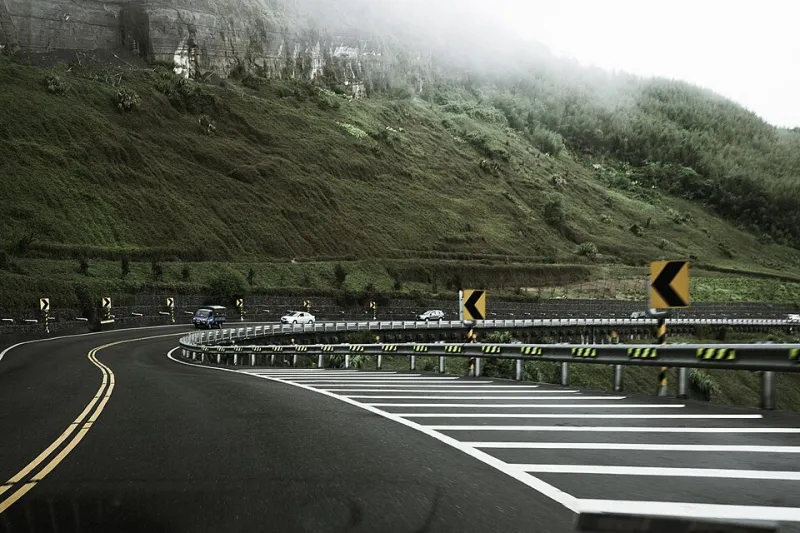
Photo: Eirian Evans , CC BY-SA 2.0, via Wikimedia Commons
Why You Should Distrust Dry-Weather Reviews
Most American HOKA reviews are written in Southern California, on pavement that hasn't seen rain since spring. Then a runner in Seattle buys the same shoe, hits a wet leaf on a painted crosswalk, and discovers that the outsole compound that gripped dry asphalt for 300 miles turns into a skate at the first sign of moisture.
Taipei's winter is the antidote. From December through February, the city hovers in the mid-50s with humidity that rarely drops below 75%, and the rain comes in slow, days-long soaks rather than dramatic storms. The pavement never fully dries. That's not the Pacific Northwest — but it's close enough to be honest with you in a way a Ventura test loop never will be.
I put six models through the same winter: wet traction on painted surfaces and mossy riverside tiles, upper dry-out time after a soaked run, and how the foam feels when the temperature dips.
The Rankings, Worst to First
6. Rocket X 3. A race-day shoe asked to do winter training duty, and it shows. The aggressive outsole rubber is fine when damp but nervous on wet painted lines, and the thin race upper stays clammy for a full day. Save it for the starting line.
5. Mach 6. Brilliant shoe, mediocre winter citizen. Traction is adequate, but the engineered mesh holds water like a sponge, and at 55 degrees a soaked Mach takes nearly 24 hours to feel dry again. If you rotate shoes, fine. If you own one pair, look elsewhere.
4. Clifton 10. The everyman shoe delivers an everyman winter: competent everywhere, exceptional nowhere. Dry-out is respectable at about 12 hours, and traction is predictable. Nothing here will hurt you; nothing will impress you.
3. Arahi 7. The stability platform gives it a planted, confident feel on wet ground, and the wider base helps when the riverside tiles turn slick. Dry-out is average. It earns its podium spot on composure alone.
2. Speedgoat 6. No surprise here — the Vibram Megagrip outsole was made for exactly this nonsense. Wet roots, wet rock, wet painted metal utility covers on the Keelung River path: all handled without drama. The only knock is the trail-oriented upper dries slowly and holds grit.
1. Challenger 7. The sleeper of the season. Road-to-trail outsole with genuine wet grip, an upper that sheds light rain and dries in under 10 hours, and a midsole that stays reasonably compliant in the cold. It's the least hyped shoe in this test and the one I reached for most.
A Note on Foam and Temperature
None of HOKA's current EVA and PEBA foams turn into bricks at 55 degrees — that's a problem for Minneapolis, not Taipei. But I did notice the Mach 6 and Rocket X 3 lose some of their lively pop on cold mornings, feeling flatter for the first two miles. If you're running a Gulf Coast winter where mornings sit in the 40s, factor that in.
The Takeaway for PNW and Gulf Coast Runners
If your winter is wet rather than frozen, prioritize outsole compound over everything else. Vibram rubber and the Challenger's road-trail hybrid outsole outperformed every pure-road option when conditions turned slick. And buy a second pair to rotate — the dry-out data above is the strongest argument yet for a two-shoe rotation. Your shoes will last longer, and so will your traction.