Moss, Granite, and Grip: What Taipei's Grand Trail Taught Me About HOKA Outsoles You Won't Learn in Colorado
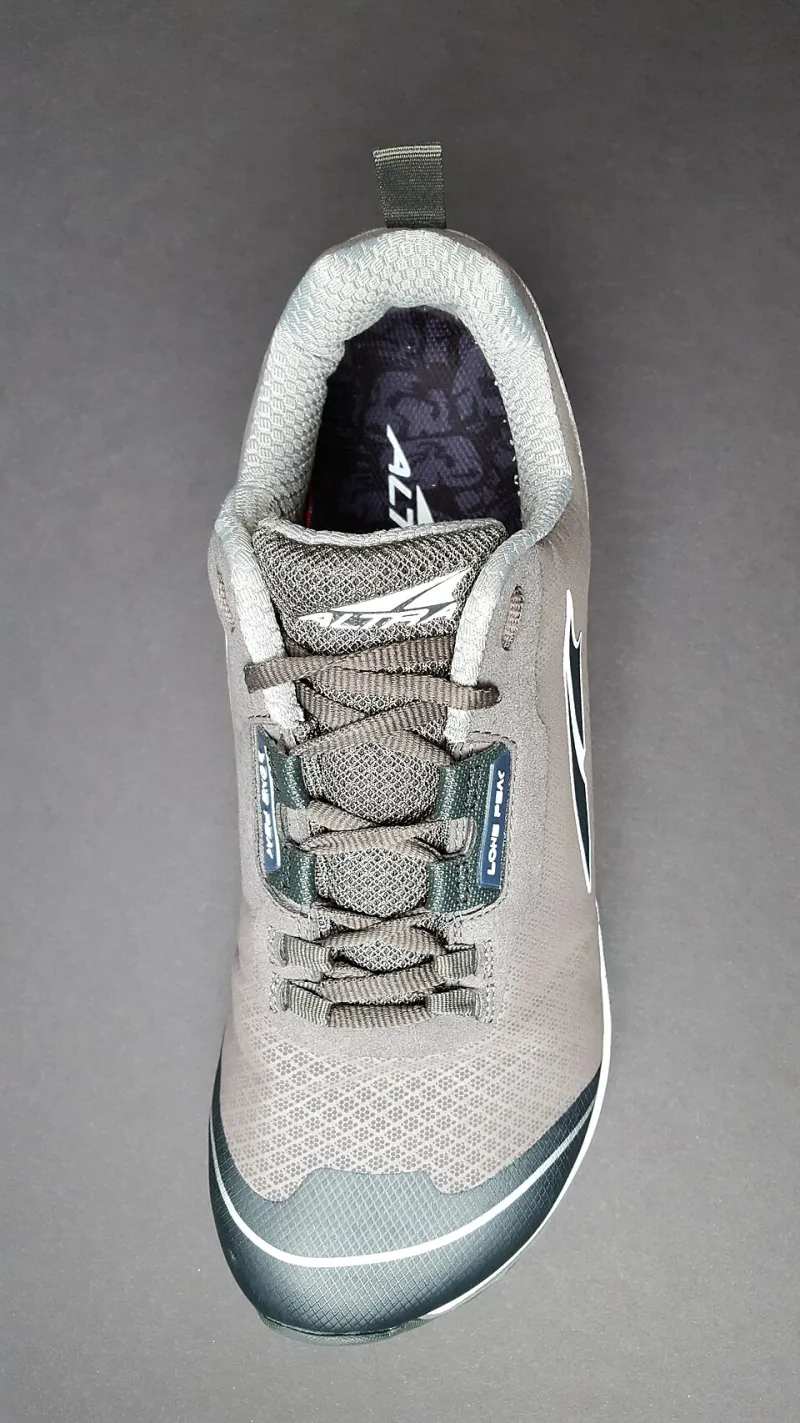
Photo: IceCreamForEveryone, CC BY-SA 4.0, via Wikimedia Commons
There's a trail that runs along the ridgeline north of Taipei called the Grand Trail — locals call it the Tianshan Trail system — and it is, without exaggeration, the slipperiest sustained running I've done anywhere in the world. Granite steps worn smooth by a century of hikers, coated in a film of moss and near-constant humidity, pitched at grades that would be a fun scramble back in the States. It's also where I started wondering whether my HOKAs were actually the same shoes I'd been running in Colorado.
So I ran the experiment. Sixty miles on the Grand Trail, sixty miles on the foothills trails outside Boulder, same model, same pair. The results were enough to make me rethink what "the same shoe" even means when it crosses the Pacific.
The Humidity Problem Nobody Tests For
Most outsole reviews happen in places like Utah or Colorado — dry, abrasive sandstone and packed dirt. On that terrain, HOKA's standard trail rubber performs beautifully. It's a durable compound tuned for abrasion resistance, and on the Front Range I got exactly what I expected: confident braking on descents, predictable wear after dozens of miles, nothing dramatic.
Taipei was a different exam entirely. Wet moss on polished granite is basically a friction-elimination machine. No rubber compound grips it in the way a vibram-style sticky compound or a lugged shoe would on damp rock. What I noticed wasn't that the HOKA outsole failed — it's that it behaved differently. The firmer, durability-focused compound slid earlier in wet conditions than I wanted, but compensated by wearing incredibly slowly despite the abrasive steps.
That's the trade-off in a nutshell: HOKA's mainstream trail rubber is built to last, not to stick.
Same Model, Different Tuning?
Here's where it gets interesting for anyone ordering HOKA from Taiwan or elsewhere in Asia. Regional markets get slightly different production runs and, in some cases, different material specs. I've handled enough Taiwan-market pairs now to notice subtle differences — durometer feel underfoot, lug geometry tweaks, even colorway-specific outsole treatments on some models.
Is one compound objectively better? No. The durability-first compound that felt sketchy on Taipei's mossy slabs is arguably the right choice for the dry, rocky terrain most US trail runners actually encounter. Meanwhile, a friend in Taipei swears by a softer, grippier pair that he burns through in half the miles I get — a trade he happily makes because his trails demand it.
The lesson isn't that HOKA tunes one market better than another. It's that the terrain you run should decide the compound you buy, not the deal price.
What This Means If You're Importing
If you're eyeing an Asia-market HOKA trail model from Taiwan, ask yourself one question: what does your home terrain actually punish shoes with?
- Dry, rocky, abrasive terrain (Colorado, Utah, Arizona): The standard HOKA compound will serve you well regardless of which market it came from. Durability is king here, and imports often shine.
- Wet rock, mud, roots, Pacific Northwest-style conditions: Be more cautious. If you can, check whether the specific colorway and production run matches the US spec. When in doubt, prioritize a stickier compound over saving forty dollars.
- Mixed or unknown: Default to the US-market version for trail shoes. The price gap matters less when grip is on the line.
The Verdict From Two Continents
Sixty miles on each side of the Pacific left me with more respect for outsole engineering, not less. HOKA's rubber isn't bad on wet granite — nothing really is — but it's clearly optimized for a different set of problems than the ones Taipei's ridgelines present. US runners importing trail models from Taiwan should know what they're getting: potentially great value, potentially great durability, and grip characteristics that might not match the trails outside their door.
Run the terrain you have, not the terrain the deal assumes.